Exam prep · · 6 min read
How to Study for an Exam in a Week
A day-by-day 7-day exam plan: turn notes into questions on days 1-2, run spaced reviews and practice on days 3-5, mock exam day 6, light review day 7.
By StudyDone Team
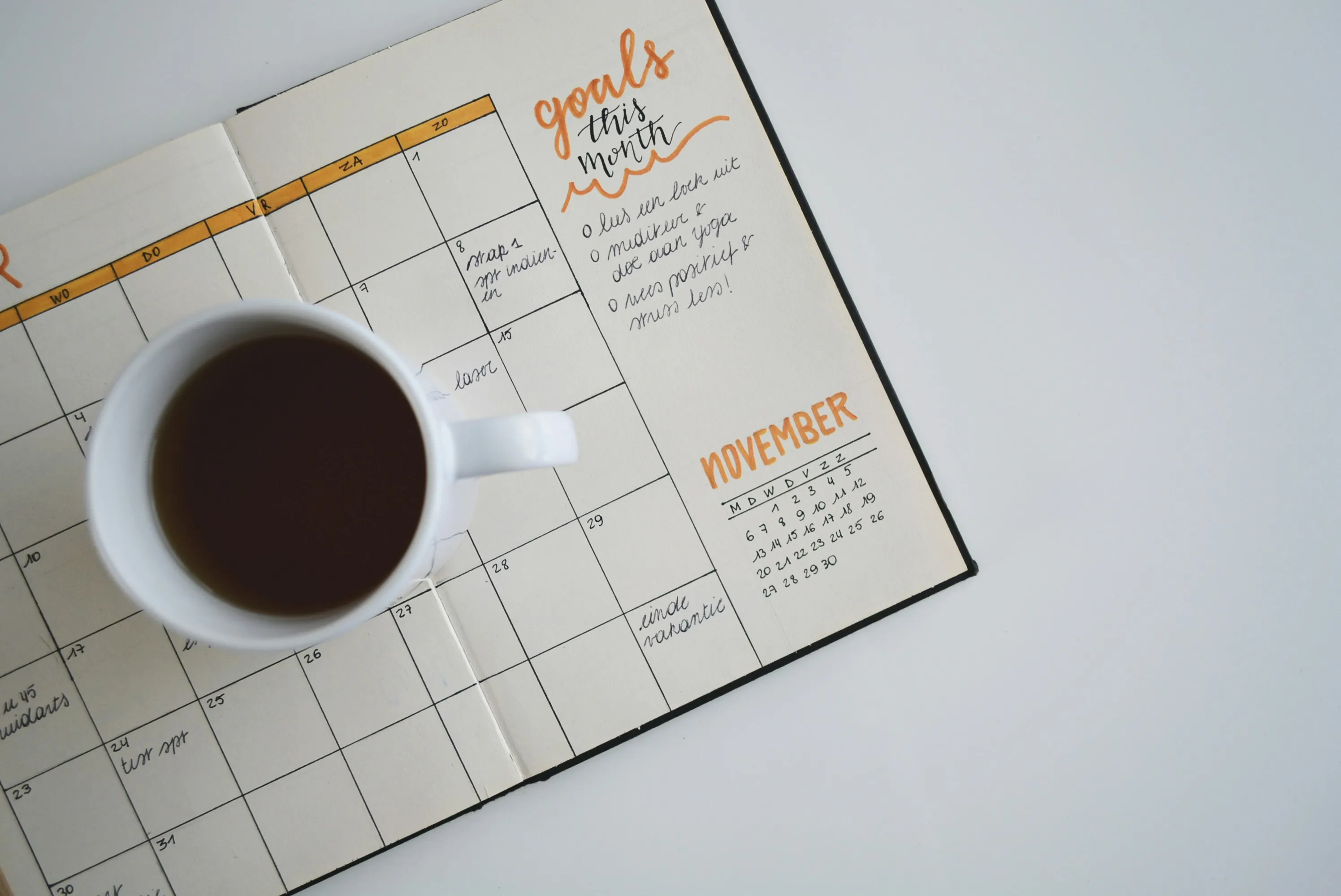
A week is the first timeline where you can stop cramming and start actually learning. Seven days is enough to hit every topic at least three times with real gaps in between, and those gaps are what turn studying into memory. Cepeda et al. (2006), reviewing decades of spacing experiments, found that spreading study across days reliably beats the same hours massed together, and a week is exactly enough room to cash in on that.
The plan below assumes one exam and two to four study hours a day. If you’re juggling several finals at once, start with the full finals playbook and use this article as the per-exam template inside it. If you have less than a week, the structure compresses: see the one-day version for the emergency case.
The architecture is simple. Days 1-2: convert all your material into questions. Days 3-5: answer those questions on a spaced rotation and work practice problems. Day 6: full mock exam. Day 7: light review and sleep. Most students invert this, spending five days passively reviewing and panicking into practice questions at the end. Run it in the right order and the last days feel calm instead of frantic.
The 7-day plan at a glance
Day 1 is seven days before the exam; day 7 is the day before it.
| Day | Focus | What you actually do |
|---|---|---|
| 1 | Audit + convert (half 1) | List all topics, rank by weight. Turn the first half of notes/slides into flashcards and practice questions. |
| 2 | Convert (half 2) | Finish converting. Tag every question by topic. End with a 20-minute recall pass on day 1’s cards. |
| 3 | Test, round 1 | Answer everything closed-book. Sort into known / shaky / unknown. Restudy unknowns only. |
| 4 | Test, round 2 + problems | Re-test shaky and unknown piles. Work practice problems or essay outlines for the heavy topics. |
| 5 | Test, round 3 + weak spots | Quick pass on everything, deep pass on what’s still failing. Last day for learning anything new. |
| 6 | Full mock exam | Timed, closed-book, exam conditions. Grade it. Patch the gaps it exposes. |
| 7 | Light review | 60-90 minutes of recall only. Logistics, one-page sheet, early night. |
Now the detail, because the plan lives or dies in execution.
Days 1-2: turn everything into questions
Day 1 starts with a 30-minute audit: list every lecture, chapter, and problem set the exam covers, then mark each topic high, medium, or low priority based on grade weight, past exams, and how often the professor returned to it. Low-priority topics get one card each or get cut. Decide now, in writing.
Then convert. Every fact becomes a flashcard (“What does the Krebs cycle produce per glucose?”), every process becomes a “list the steps” prompt, every formula becomes a “state it and use it” pair, every essay theme becomes a prompt you’ll outline from memory. The test of a good question: you can answer it with the notes closed and check yourself in seconds. Our guide to making good flashcards covers the craft, but the one rule that matters this week is one fact per card.
Conversion is the grind, and it’s where a week can leak away. Budget it: two days, no more. If you’re staring at 200 slides and four PDFs, run them through a PDF to flashcards converter and spend your time editing the output instead of typing. StudyDone takes the same inputs, including photos of handwritten notes, and builds the cards plus a review schedule paced to your exam date, which turns days 3-5 into “open the app and answer what’s due.”
End day 2 with your first recall pass on day 1’s cards. That 20-minute session quietly starts the spacing clock.
Days 3-5: spaced testing and practice problems
These three days are pure retrieval. Each session, work through your question pile closed-book and sort every item into three piles:
- Known: answered cleanly. It rests until tomorrow or day 6.
- Shaky: got there slowly or partially. Re-test later today.
- Unknown: blank or wrong. Restudy the source for two minutes, then re-test in ten.
This is active recall running on a 3-day spaced rotation, and it’s the highest-yield configuration available on this timeline. The known pile will grow daily; resist the urge to keep re-testing it for comfort. Your hours belong to the shaky and unknown piles.
For quantitative courses, days 4 and 5 must include real problem-solving on top of card review. Work problems from homework and past exams with solutions hidden, and mix topics within a session rather than doing ten of the same type in a row. Mixed practice feels rougher and transfers better to an exam that won’t tell you which chapter each question came from.
A daily shape that works: 10 minutes blurting yesterday’s material from memory, 60-90 minutes of card testing and problems, 10 minutes building tomorrow’s “redo” list. Add a second short session in the evening if your total budget is 4 hours, and keep a real break between them.
Day 5 has a hard rule: it’s the last day to learn anything new. A topic you haven’t touched by the end of day 5 either gets a single shallow pass (definition, one example) or gets formally cut.
Adjusting for the exam format
The skeleton holds for any course, but the middle days should lean toward the exam’s actual format. For an essay-based exam (history, literature, political science), days 3-5 shift from flashcards toward outline practice: take a plausible prompt, write a thesis and skeleton argument from memory in 15 minutes, then check it against your notes for missing evidence. Aim to have outlined every major theme at least twice by day 6. For a problem-based exam, the ratio flips the other way: cards cover only definitions and formulas, and the bulk of days 3-5 goes to solving, with day 5 reserved for re-doing every problem you missed during the week. Multiple-choice exams reward breadth, so widen coverage and shorten each item; free-response rewards depth on the predictable big topics, so go narrower and harder.
If you have two exams in the same week, run two staggered copies of this plan and let them share days: one course in the morning block, the other in the evening. The conversion days can overlap fine; just never let both mock exams land on the same day.
Day 6: the mock exam
Two days before the exam, simulate it. Same time limit, no notes, phone in another room, questions you haven’t seen in that combination: a past exam if you have one, otherwise assemble one from your question pile and problem sets, weighted like the real format.
Then grade it like an enemy would. Every lost point gets a tag: didn’t know the content, knew it but couldn’t retrieve it under time, or careless execution. The first kind sends you back to specific cards tonight. The second kind means more closed-book practice on that topic. The third kind becomes a checklist item for exam day (“write units”, “check signs”).
Spend the rest of day 6 patching exactly what the mock exposed, nothing else. Roediger and Karpicke (2006) demonstrated that a test is itself a powerful study event, which is why the mock sits inside the week rather than being a judgment at the end of it. Students routinely gain more from day 6 than from any other day in this plan.
Day 7: light review, heavy sleep
The day before the exam, your learning is done and your job is preservation. Run 60-90 minutes of light recall: the one-page sheet of stubborn items, a final pass through yesterday’s misses, a spoken walkthrough of the big frameworks. No new topics, no six-hour marathon that burns the focus you’ll need tomorrow.
Handle logistics in daylight: exam room, seat time, calculator, ID, pens, water. Then protect the night, because sleep is when the week’s work consolidates. The full evening script, including what to do if anxiety spikes at 11 p.m., is in what to do the night before an exam.
Morning of: eat, do one 15-minute recall pass on the sheet, arrive early. You spaced it, you tested it, you simulated it. That’s the whole method, and a week was enough.
FAQ
Is one week enough time to study for an exam?
Yes, for most single exams. Seven days gives you enough runway to space your reviews across multiple days, which is what makes memory stick. It's tight for a cumulative final covering a full semester, in which case triage the highest-weight units and accept shallow coverage of the rest.
How many hours a day should I study during the week before an exam?
Two to four focused hours works for most courses. The day-by-day structure matters more than raw hours, because three hours daily for a week beats 21 hours crammed into the last two days. Protect the schedule, not the hour count.
Should I make flashcards if the exam is only a week away?
Yes, but make them in the first two days and spend the rest of the week testing on them. Card-making that drags into day 4 or 5 steals your review time. If conversion is slow, generate cards automatically from your notes and edit rather than write from scratch.
What if I miss a day of the plan?
Compress, don't reshuffle everything. Cut the lowest-priority topics from your list, shorten the remaining review blocks, and keep the mock exam on day 6 no matter what. The practice test and the light final day are the two pieces you should never sacrifice.
Should I study the morning of the exam?
Only a short recall pass over your one-page summary sheet, 15-20 minutes at most. New material on exam morning doesn't stick and tends to raise anxiety. Eat, arrive early, and trust the week.