Memory science · · 8 min read
Spaced Repetition
Memory decays on a predictable curve, and reviewing at the right moments flattens it. How spaced repetition works and how to run it toward an exam date.
Read the guide

The StudyDone Blog
Practical, research-backed guides on memory, exam prep, and study techniques that actually work.
Memory science · · 8 min read
Memory decays on a predictable curve, and reviewing at the right moments flattens it. How spaced repetition works and how to run it toward an exam date.
Read the guide

Academic writing
Admissions officers read thousands of essays. How to find a topic only you could write, show instead of tell, and revise a 650-word personal statement that actually sounds like you.
· 8 min read

Academic writing
The five-chapter structure, how to scope a research question you can actually finish, and a writing routine that beats the all-or-nothing panic. A practical map for the longest thing you'll write.
· 9 min read

Academic writing
A term paper is a research argument, not a book report. How to pick a thesis, structure the sections, build the draft, and turn your reading into something you actually remember.
· 8 min read

Academic writing
Decode the question, plan the structure, draft without stalling, and edit to the mark scheme. A repeatable process for university assignments that works under deadline.
· 7 min read

Tools & apps
Quizlet now locks Learn rounds and practice tests behind a subscription. Ten alternatives compared honestly, from free-forever Anki to AI-first tools.
· 10 min read

Tools & apps
Eight AI flashcard apps compared on what matters: not just generation quality, but whether the app schedules reviews so the cards actually stick.
· 9 min read

Tools & apps
Anki is free and brutally effective; Quizlet is polished but paywalled. A head-to-head on scheduling, interface, price, and which fits your studying.
· 9 min read

Subject guides
Word lists fail because recognition isn't recall. Here's how to memorize vocabulary with spaced repetition, two-way cards, sentences, and keyword mnemonics.
· 7 min read

Subject guides
Nursing exams test judgment, not recall. Learn to dissect NCLEX-style stems, use ABCs and Maslow as study lenses, and manage huge volume across courses.
· 7 min read

Subject guides
Orgo is a skills course, not a memorization contest. Build reaction maps, draw mechanisms from scratch, and practice synthesis problems the way exams test them.
· 7 min read

Subject guides
Stop memorizing drugs one at a time. Learn pharmacology by class and suffix, chain mechanism to side effects, and keep it all with cumulative spaced review.
· 7 min read
Subject guides
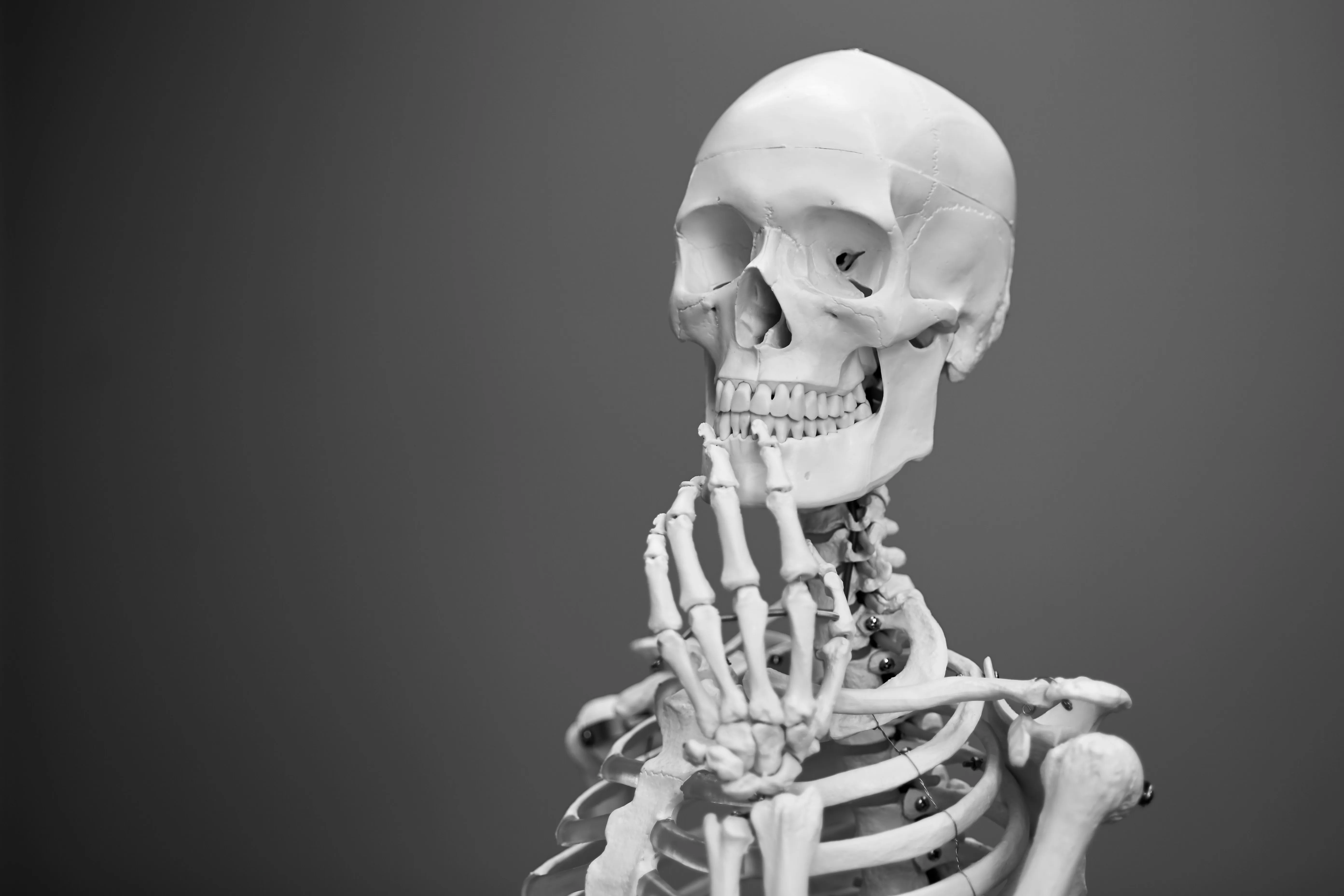
Anatomy buries students in volume. Here's how to learn it with blank diagrams, blurting, mnemonics that stick, and a spaced review plan that lasts all semester.
· 7 min read

Exam prep
A night-before-the-exam script: a short recall-only review, logistics prep, why sleep beats studying past a threshold, and a morning routine that works.
· 6 min read

Exam prep
A fast-memorization toolkit for test week: retrieval sprints, chunking, mnemonics, the method of loci, and same-day spaced reviews that beat re-reading.
· 6 min read

Exam prep
One day before the exam? An hour-by-hour plan that triages the topics worth the most marks, runs recall sprints with real breaks, and protects your sleep.
· 6 min read
Exam prep
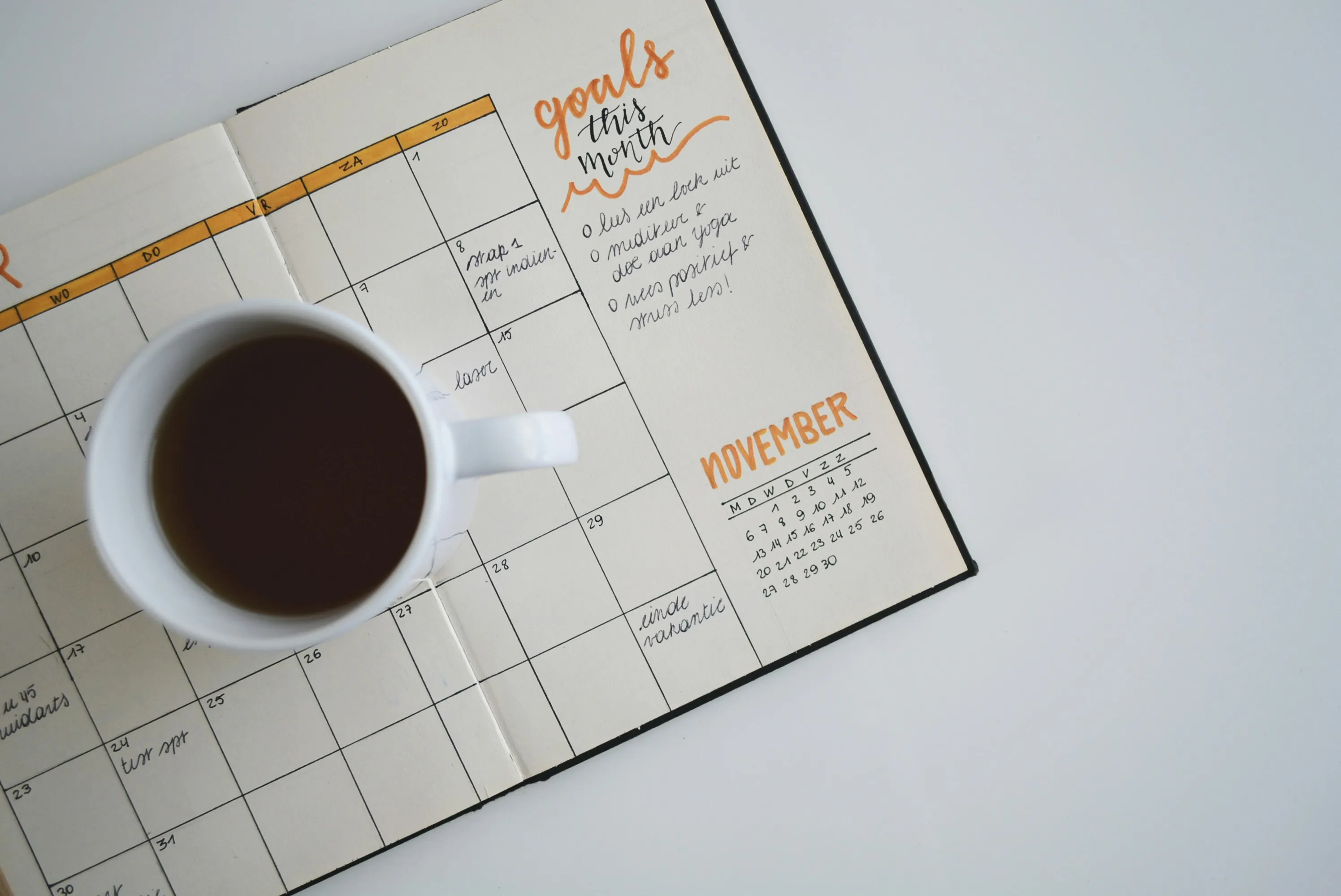
A day-by-day 7-day exam plan: turn notes into questions on days 1-2, run spaced reviews and practice on days 3-5, mock exam day 6, light review day 7.
· 6 min read
Exam prep
Cramming is damage control, but done right it works. How to triage topics, why recall beats re-reading overnight, plus honest 6-hour and 12-hour plans.
· 7 min read

Exam prep
A study coach's 2-3 week finals plan: audit every course, rank by grade weight, build a backwards calendar, and mix daily recall with practice problems.
· 8 min read
Study schedules
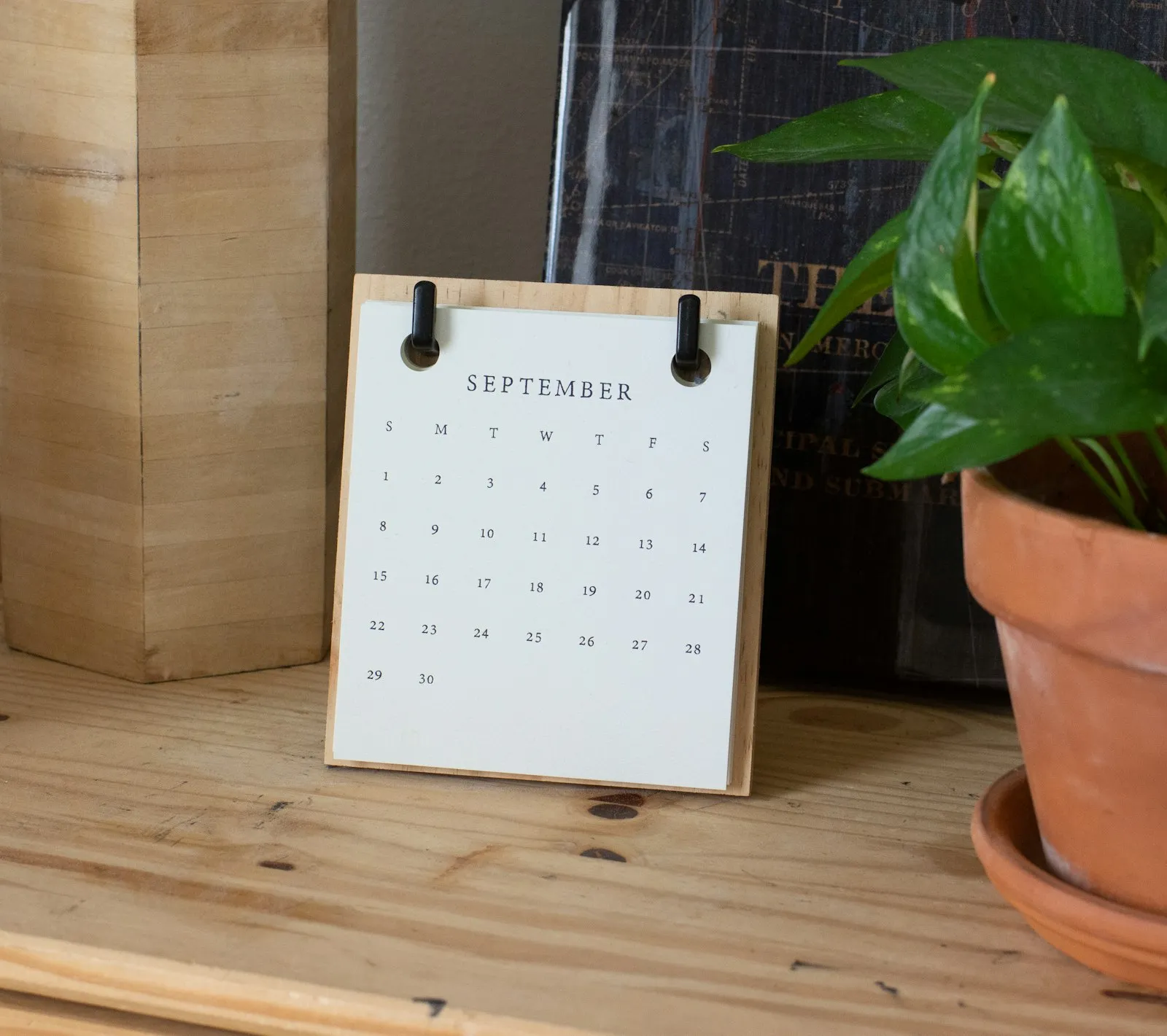
A ready-to-use 7-day exam study plan with day-by-day tables in two versions, light at 2 hours a day and intensive at 5, plus how to adapt it to your course.
· 6 min read

Study schedules
Honest ranges for semester weeks, finals, and entrance exams, why recall-based hours beat long passive ones, and how to tell if your time is working.
· 6 min read

Memory science
Write everything you remember on a blank page, then check your notes. Why blurting works, a step-by-step walkthrough, and when flashcards beat it.
· 6 min read
Study schedules
Build a study schedule that survives real life: work backward from exam dates, audit your material, and mix new learning with spaced review. Sample plan inside.
· 8 min read
Memory science
The 25/5 Pomodoro method helps you start when you can't and stop before you burn out. When it works, when it backfires, and what to put inside the timer.
· 6 min read
Flashcards & notes
A sustainable answer with the math behind it: how many new flashcards to add daily, what review debt looks like, and how to adjust for your exam date.
· 6 min read

Memory science
Explain a concept in plain words and your gaps surface immediately. The four steps of the Feynman technique, a worked example, and where the method stops.
· 6 min read

Flashcards & notes
How the Cornell layout works, how the cue column turns ordinary notes into a self-testing tool, and how to convert Cornell pages into flashcards.
· 6 min read

Flashcards & notes
Writing flashcards is half the job. How to review them well: honest self-grading, spaced sessions, shuffling, and fixing cards you keep missing.
· 6 min read

Memory science
A ranked review of common study techniques based on the research, from practice testing and spaced practice at the top to highlighting near the bottom.
· 6 min read
Flashcards & notes
Most flashcards fail at the writing stage. Learn the one-fact-per-card rule, recall vs recognition, and see good and bad card examples by subject.
· 8 min read

Memory science
Re-reading feels productive and barely works. Active recall, testing yourself from memory, is what builds durable knowledge. Seven ways to practice it tonight.
· 6 min read

Memory science
Ebbinghaus showed memory decays fast at first, then levels off. What his curve actually says, why it still replicates, and how review timing flattens it.
· 6 min read
StudyDone builds spaced repetition into your studying automatically. Join today.